Zelda Dev Highlight: Satomi Asakawa
This post is a long timeline image. The image is a collage of screenshots, photos, and quotes related to the career of Satomi Asakawa, an accomplished character designer who worked on many Zelda games.
Max Nichols' Game Design blog

This post is a long timeline image. The image is a collage of screenshots, photos, and quotes related to the career of Satomi Asakawa, an accomplished character designer who worked on many Zelda games.

Someone posted about how gaming culture’s narrow musical tastes feels alienating. The thread was thoughtful, but a lot of replies (from game industry folks) have gone into the “insulting people for having basic tastes” territory.
So let’s talk a little bit about “taste” and literacy in a medium.
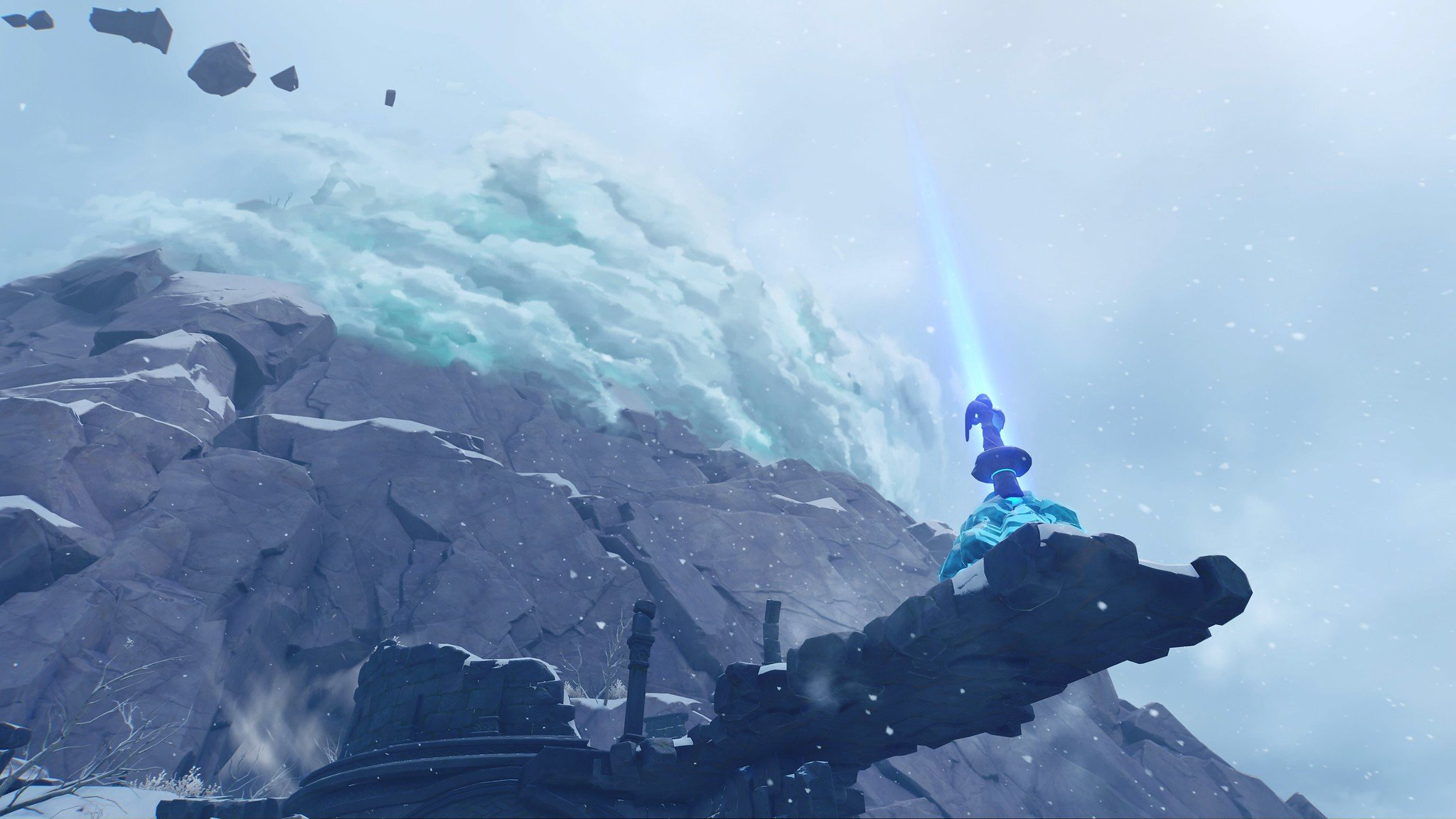
Occasionally I post some social media threads on game design. Some of them are worth saving here. – Max So Dragonspine Mountain in Genshin Impact…
One of the ways to create a sense of place and make environments more memorable is to engage more of the player’s senses. As game creators we don’t always have a lot of avenues to do this! We can’t actually provide smells, for instance. If you’re working on a pen and paper game, as some of you are, you may not have direct access to ANY of the player’s senses, and need to instead evoke them with words.
So some useful angles to look at this from:

My adventure began when I was six. I was staying in the hospital, newly diagnosed with diabetes, and I found a Gameboy with Link’s Awakening. I thought it starred a pirate named Zelda. I eventually got a copy as a gift, and spent years lost in that world. My clearest memories from that time are of the Dreaming Isle.
One of my favorite story archetypes is the “world as a mystery”. I love it when there’s a big unknown about the setting’s mechanics or history that deeply impacts the story + characters. And the story is then structured like a mystery novel.
I love that excitement of learning a setting’s history and, as we learn more, it re-contextualizes everything we thought we knew about that world. Of course, major revelations about the world must coincide with major character moments for maximum impact!

Fifteen years after Ocarina of Time, the Zelda team finally retired its time-worn solutions to the problems of 3D. They shifted their philosophy, drew from the inspiration for the first Legend of Zelda, and rebuilt the beating heart of the franchise from first principles.
Previously we examined the challenges of building the first 3D Zelda, and the tradeoffs that Ocarina made to maintain approachability. These compromises attempted to balance two unsolved problems: decreased readability, and greatly increased complexity. In this final article, we’ll see how Breath of the Wild found new solutions to those problems.

Ocarina of Time was a seminal masterpiece. It was a model for how to make a third-person, 3D adventure game that was approachable and ambitious.…

“I wanted something that players could get so lost in, it would take them a whole year to finish.” – Shigeru Miyamoto, 1992 ¹…
NPR’s All Things Considered radio show was doing a series of short stories covering trade lingo in different industries. I submitted a list of game development…