Zelda Dev Highlight: Satomi Asakawa
This post is a long timeline image. The image is a collage of screenshots, photos, and quotes related to the career of Satomi Asakawa, an accomplished character designer who worked on many Zelda games.
Max Nichols' Game Design blog

This post is a long timeline image. The image is a collage of screenshots, photos, and quotes related to the career of Satomi Asakawa, an accomplished character designer who worked on many Zelda games.

For years I’ve pondered a paradox:
1) The fact that crunch is poisonous to creative work.
2) The fact that many of my favorite games were made with crunch.
My answer:
Crunch allows a team to naively reach a crucial creative state, at high personal cost.
It can be reached without crunch.
A team can get really paralyzed waiting for things to be Decided™.
One of the most valuable things a senior can do on a team during production is make quick decisions to “put stakes in the ground” even on topics that are not yet 100% confirmed or aligned, and then document/broadcast those decisions.
Sometimes there are big unknowns or a lot of things that still need to fall into place, and while waiting, team members are blocked, or feel unsure, or like they need to make Plans A, B, C.
Cut the Gordian Knot: make a call and let people keep moving.
“What’s your number one personal game design principle? And even better – does it have a cool name?”
The best games are made by centering the humans making them.
I thought about my answer to this for a few hours today, some folks may have seen me post and delete some replies, hahah.
But if I need just one? That truly encapsulates all my #1 priorities? This is it.
I saw some folks thinking that voice acting in games was objectively good, always a positive. “What kind of game doesn’t have voice acting in 2025?!” sorta thing
I say that there are positive reasons why one would choose NOT to have VO.
How many design justifications we can come up with?
Join me.

I hooked up my 360 and Guitar Hero 2 and was shockedpikachu.jpg that my skills had decayed enough that I had to play Medium, hahah.
There’s a lot of great stuff about the game, but I think it is really an absolute masterclass in difficulty ramp design, and teaching players mastery. It’s worth study.
A drum I want to beat:
Overwork starts with management and planning, but half of why it happens is team culture.
Nobody has more impact on team culture than senior team members and lower-middle managers
If you are in the trenches and someone folks look to, then your example defines team culture.

For years I’ve thought about how games about exploration or immersion in a place work.
This is one of my five most important pillars:
“Player attention is on the game world”
The most beautiful, luscious worlds are squandered by games with systems and mechanics that draw attention away from them.

The reason crafting is in every game now: It’s like money laundering for game designers
Let me explain.
Let’s first look at Zelda 1.
Someone posted about how gaming culture’s narrow musical tastes feels alienating. The thread was thoughtful, but a lot of replies (from game industry folks) have gone into the “insulting people for having basic tastes” territory.
So let’s talk a little bit about “taste” and literacy in a medium.

Unicorn Overlord’s Tactics (unit AI) system is a masterstroke of systems design.
It elevates the game far beyond just being the spiritual successor to Ogre Battle that it seemed at first, and catapults every element to greater heights.

I am intrigued by the way that younger players from outside the core “AAA” gaming bubble seem to respond super well to games that are… social, lofi, watchable, and “janky”.
Lethal Company, Palworld, everything in Roblox, Five Nights at Freddy’s, even Minecraft.
The “janky” part is the most interesting bit to me. Why is this appealing, why does it work well for this audience in particular?

How the goals goals and approaches in the #Zelda series change over time is a favorite topic of mine!
I think that through a certain lens Kat (quoted below) is right, but there are interesting distinctions to be made between different eras of the Zelda franchise.

In animation, drastic style changes can happen for dramatic effect: to evoke a new emotion, or surprise, or emphasize something.
They also do this with framerate: more important scenes get more keyframes.
What would an equivalent for video games as a medium be?
3 concepts that are tightly connected but hard to articulate:
– Designing from “first principles”
– Having a “personal aesthetic”
– Making day-to-day decisions
Lemme talk about how these things work, and color perception of what “good design” is.
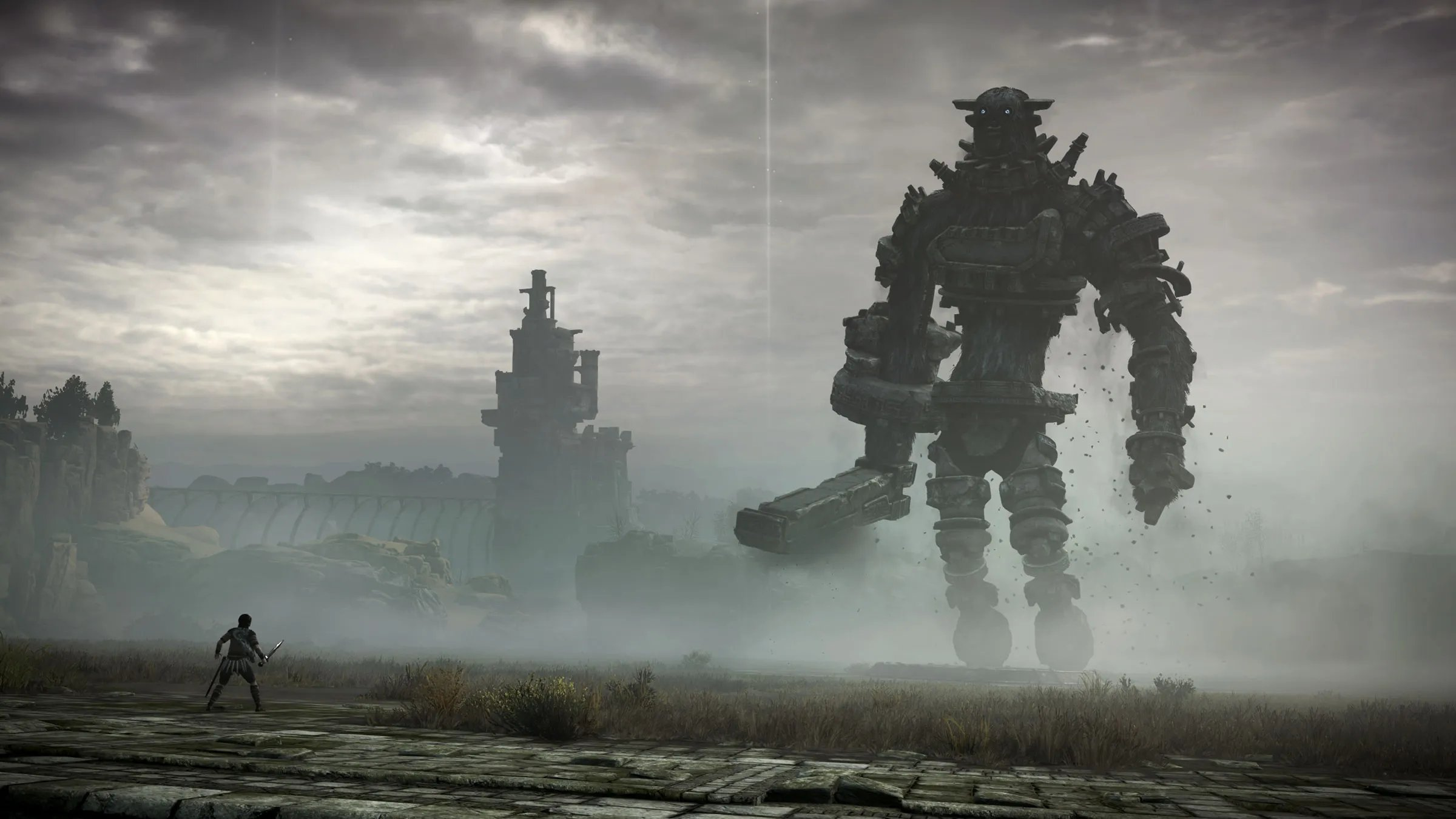
“How do games intrinsically motivate players to explore” is a favorite #GameDesign topic of mine.
Many of the games that do this achieve it partially by evoking a sense of awe while exploring their worlds.
Let’s talk about how that works in games.
Occasionally I post some mostly coherent Twitter threads on game design. Some of them are worth saving here. – Max As a player, I often…
The core question is: how do you make sure that the player sees what they need to see?
Lots of strategies. “Detective vision” is one that works in some cases that are otherwise hard to solve for.
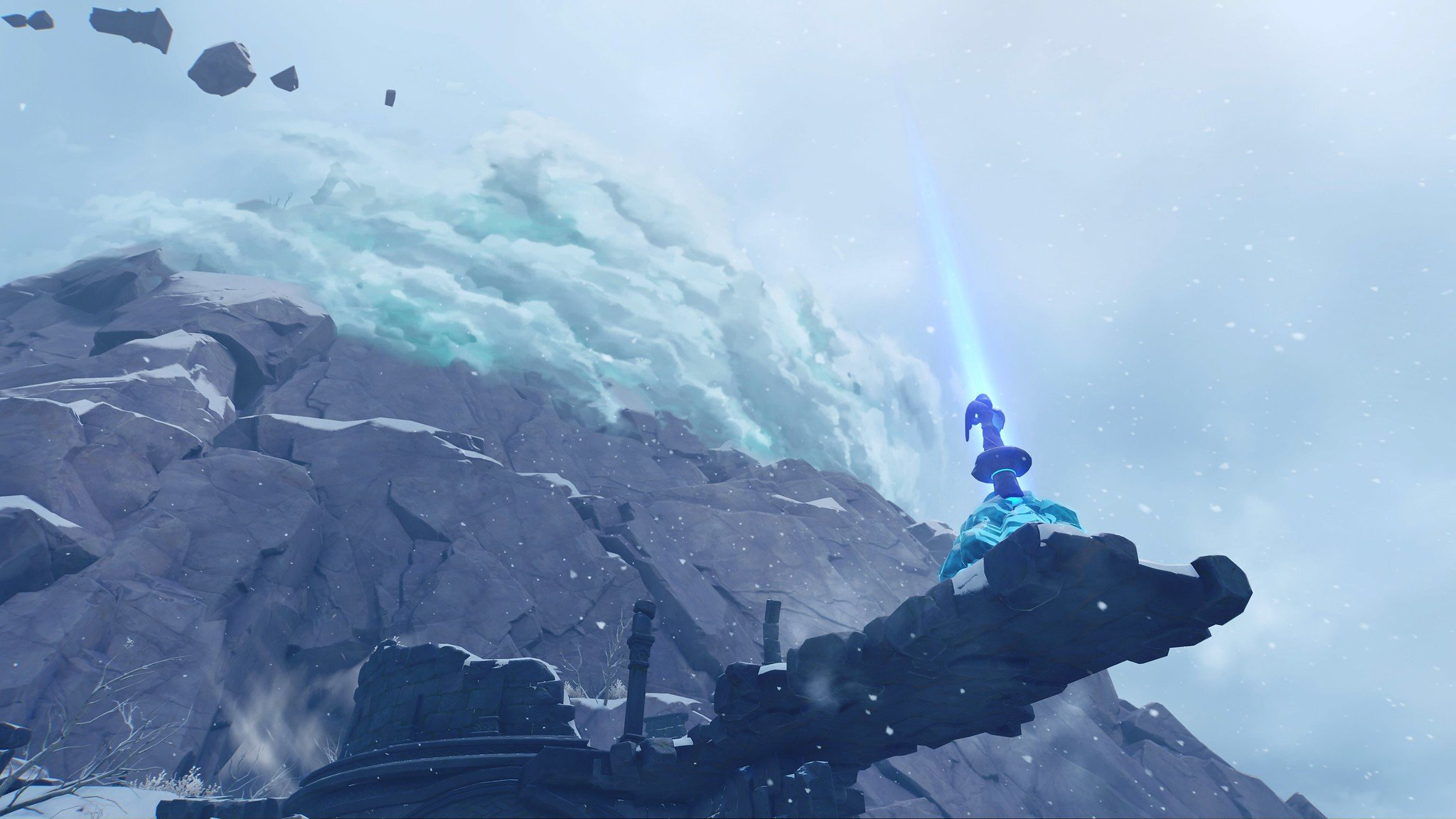
Occasionally I post some social media threads on game design. Some of them are worth saving here. – Max So Dragonspine Mountain in Genshin Impact…
GameDesign rambles-
I love moments of “recontextualization” in game worlds.
This is part of why exploring in Zelda or Metroidvania games feels good, why you keep coming back to stages in Pokemon Snap… and why live-service games can struggle to give those feelings.